
…or how a quick impulse buy turned into a full-blown creative obsession
As the name suggests, I constantly Get Sidetracked by all things crafty—and my latest side adventure? Polymer clay. A small, unassuming kit I spotted online was all it took to tumble headfirst into this colourful, squishy wonderland of possibility.
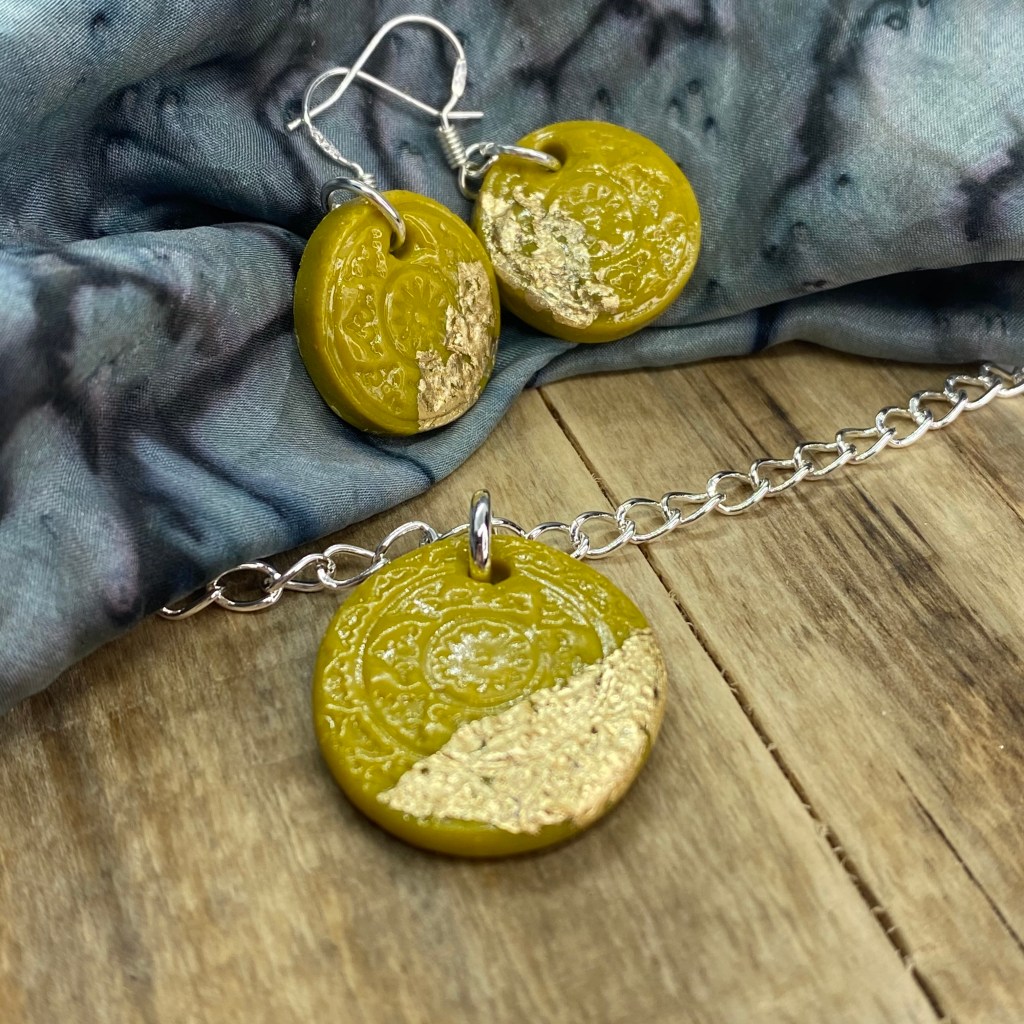
The kit came with 24 bright little blocks of clay and a set of plastic tools that looked like something from a toy box. I had no idea what I was doing, but I was hooked. The first thing I made was… actually, I’m not even sure what it was meant to be, but I loved the feel of the clay and how forgiving it was. Unlike other mediums that need drying time or heaps of patience, this was instant creativity at my fingertips.
The Joy of Quick Wins
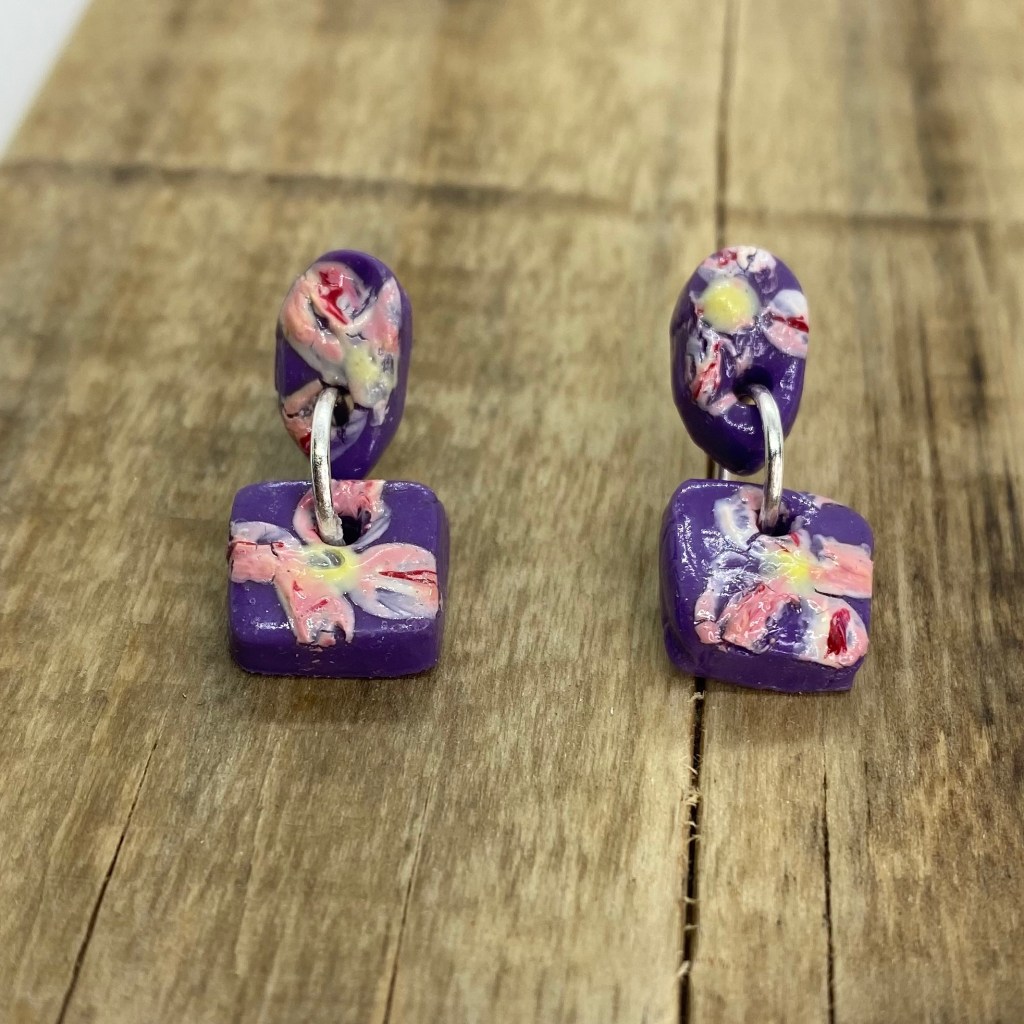
One of the things that reeled me in straight away was how quickly you can make something beautiful. In just one afternoon, I went from clueless to cranking out colourful earring designs—and before long, practically everyone I knew got a handmade pair for Christmas. (Sorry not sorry.)
Polymer clay is like playdough for grown-ups—with a serious glow-up. It can be cut, carved, twisted, stamped, marbled, blended… the only real limit is your imagination (and how long your hands can go before needing a tea break).
What You’ll Need to Get Started
If you’re curious and want to give it a go yourself, here’s what I started with:
- A basic clay kit (look for something with a mix of colours and some starter tools)
- A flat surface for rolling and shaping (I bought a cheap sample tile and it was perfect.)
- A non-stick baking tray
- A little oven thermometer (polymer clay likes to be baked just right)
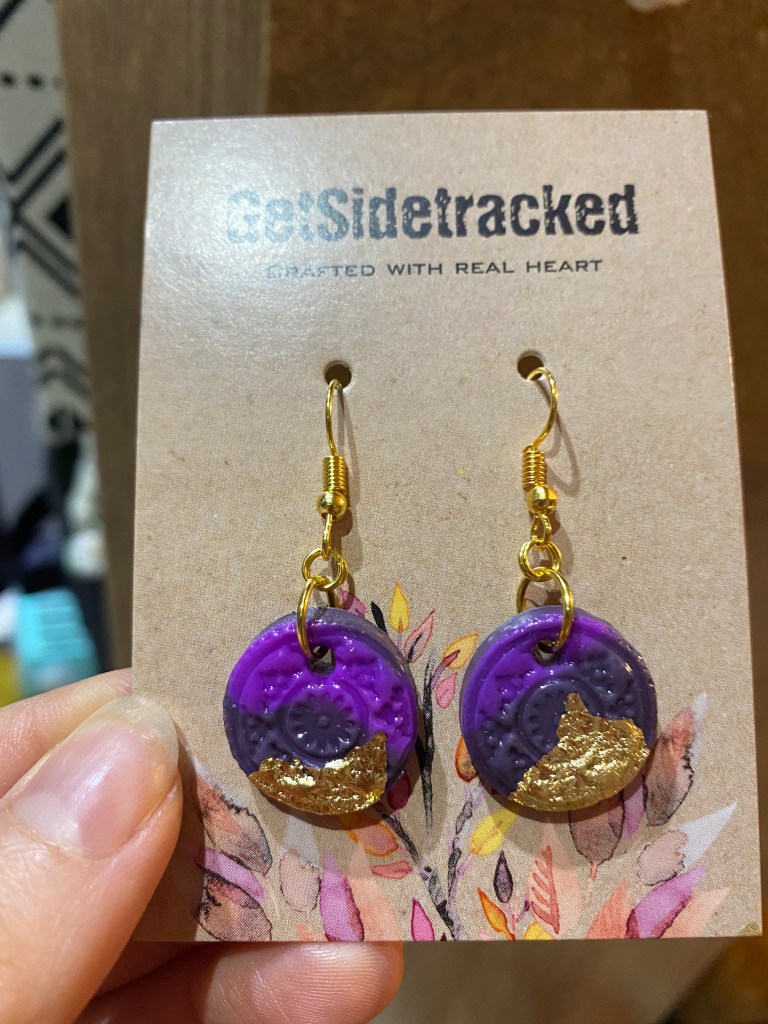
- Optional but fun: texture stamps, cutters, and varnish
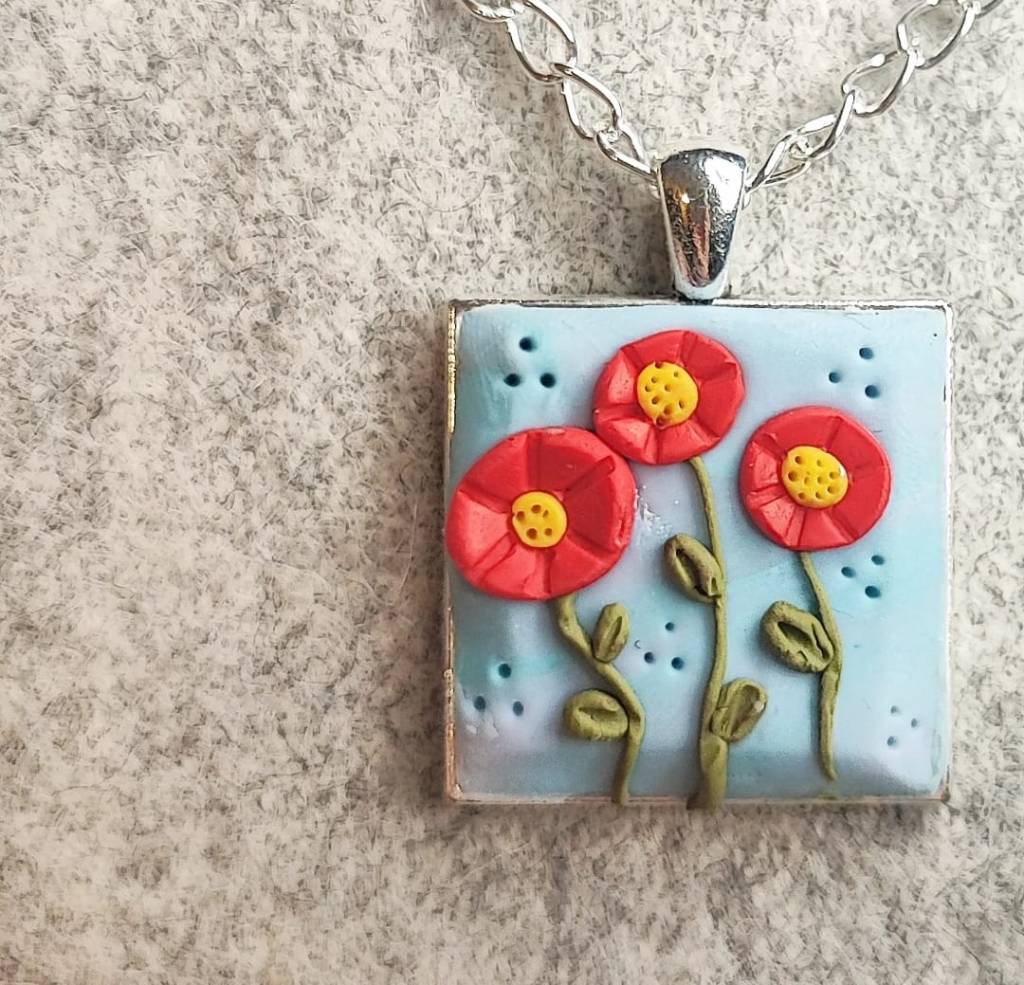
I started with earrings, but the rabbit hole is deep—you can make beads, brooches, trinket dishes, magnets, keyrings, tiny sculptures… I’m currently experimenting with mini planters and fridge art.
What I Wish I’d Known Sooner
- Condition your clay well – This means kneading it until it’s soft and pliable. It can feel tough at first but stick with it.
- Avoid overbaking – It can darken or even burn if you’re not careful (been there, sniffed that).
- Use a dedicated oven or tray if you’re going to bake often – It’s a good habit to keep your clay kit separate from anything food-related. I bought a little table top oven that I only use for my clay bakes.
- Don’t compare your early makes to polished pros on Pinterest – Your own voice and style will shine through with time.

The Best Bit? It’s Just Plain Fun
For me, polymer clay has become one of those crafts I turn to when I want to make just for the joy of making. No pressure, no perfection. Just hands in clay, a cuppa on the go, maybe a good podcast in the background—and a little bit of magic happening on the table.
I’ll be adding some tutorials and process videos soon, so if you’re thinking about diving into the world of polymer clay, watch this space. Or better yet, get sidetracked with me.
 GetSidetracked
Leave a comment